June 10, 2026/
Step inside some of Society Hill’s most beautiful private gardens—open to the public for THIS weekend only. CLICK HERE TO...

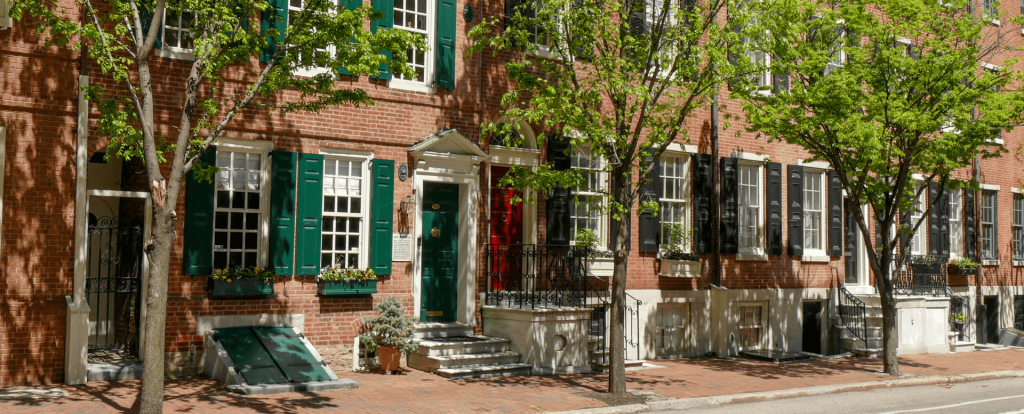
We are a volunteer organization that works to keep our neighborhood safe, clean, and beautiful for residents and visitors alike.
Our Mission:
To promote the improvement of the Society Hill area of Philadelphia, including its cultural, educational, and civic activities, and the preservation and restoration of its historic buildings; to represent the residents of Society Hill in matters affecting the City of Philadelphia generally and Society Hill in particular; and to interpret the value and significance of Society Hill to the public.
The neighborhood is powered by specialized volunteer committees. These groups focus on everything from government relations and historic preservation to social events and the annual Garden Tour. They serve as the voice of the residents in city-level discussions.
Prioritizing a peaceful environment, this initiative focuses on community policing partnerships, improved street lighting, and neighborhood watch programs. Residents are kept informed of safety trends and best practices to protect their homes and streets.
To maintain the neighborhood’s aesthetic standards, regular efforts are made for sidewalk sweeping, graffiti removal, and litter control. This program ensures that the cobblestone streets and brick walkways always offer a “postcard-perfect” experience for residents and visitors.
As one of William Penn’s original five squares, Washington Square is the neighborhood’s “living room.” Dedicated efforts go toward landscaping, monument maintenance, and ensuring this historic green space remains a tranquil retreat for the community.
The iconic brick sidewalks of Society Hill require constant care. This unique program provides subsidies and guidance to homeowners for repairing uneven bricks (caused by tree roots or age) and managing the neighborhood’s urban canopy through professional tree tending and planting.
A curated resource for residents that provides a list of vetted contractors experienced in working with the specific architectural requirements of historic Society Hill homes—from masonry and roofing to specialized window repair.
Recognizing that parking is a premium in historic districts, the association manages a dedicated parking lot located at 8th and Lombard. This provides a vital, convenient option for residents who need reliable vehicle storage.
To foster community spirit, every new resident is greeted with a “Welcome Gift Bag.” This includes local maps, merchant discounts, and essential neighborhood information, ensuring new neighbors feel at home from day one.
Society Hill is where America’s past meets the future, where in one square mile a great experiment in liberty was launched. This part of William Penn’s 17th-century “greene Country Towne” was owned by the Free Society of Traders, a London development company. Because the company’s flag flew on the high ground above Dock Creek, the surrounding area became known as “the Society’s Hill.”
Society Hill also occupies an extraordinary place in the history of architecture, urban planning, development, culture, commerce, and religion. The streets and blocks reveal the perseverance and practicality of Penn’s plan of a grid and square for the city – a plan already modified by events before 1700, yet still adaptable to mid-20th century planning concepts and goals. Within this context stands a broad spectrum of architectural styles, ranging from modest Colonial dwellings through elegant Georgian, Federal, and Greek Revival houses to modern high-rises.
At the time of the American Revolution, Society Hill was one of the most desirable residential sections of the prosperous city, however, the neighborhood began to decline. By the mid-20th century it had become a mix of neglected 18th- and 19th-century houses interspersed with factories and warehouses. The rebirth of Society Hill began in the 1950s and became a national model for neighborhood renewal. Many Philadelphians, including elected officials, public administrators, and private citizens, contributed to the restoration of historic buildings that tell the story of an earlier society while adapting to contemporary needs.
The Society Hill Civic Association was established in 1965 as the result of a merger of two pre-existing civic associations, the Society Hill Area Residents Association (SHARA) and the Home Owners and Residents Association (HORA). On April 22, 1965, a joint general meeting of the members of the two organizations was held and the Society Hill Civic Association (SHCA) was born. Articles of incorporation were filed with the Philadelphia Common Pleas Court and the decree granting the requested charter was issued on January 10, 1967.
In 1971, the Society Hill Historic District was listed on the National Register of Historic Places; however, that designation offered no protection to prevent inappropriate exterior alterations or unnecessary demolitions. Under the leadership of the SHCA, Society Hill was designated a historic district by the Philadelphia Historical Commission in 1999. This designation helps guard the district’s historic character by requiring review of projects according to zoning and historic preservation standards.
For nearly sixty years, the SHCA has responded to challenges facing our community with a commitment to enhance the quality of life enjoyed by those who live and work here.
OurSocietyHill.com is inside information for those who live and work in Society Hill and the nearby commercial areas! We hope you take the time to comment and share your tips too.

Work with the team that knows the true value of our historic neighborhood.
Step inside some of Society Hill’s most beautiful private gardens—open to the public for THIS weekend only. CLICK HERE TO...
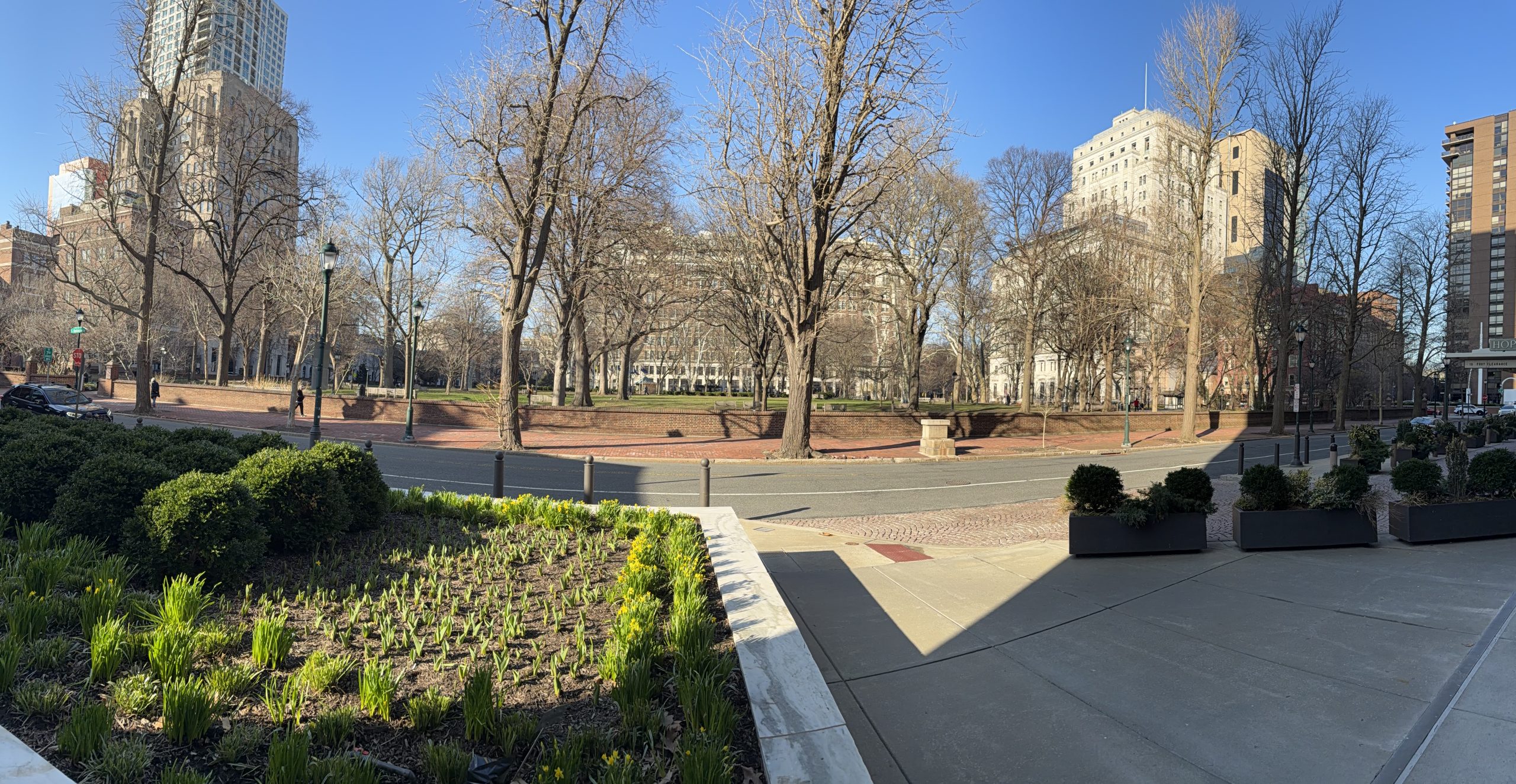
Society Hill is one of Philadelphia’s most beloved neighborhoods, and on Washington Square there is a thriving community of small...
Get the latest on the neighborhood happenings and market insights.
© 2026 Powered By